

Chapter 10 in your textbook focuses on recruiting and assessing internal candidates for open positions. An organization’s current and future employee population is a critically importance source of talent for filling jobs, whether as replacements or for new positions. This, of course, means organizations should take the retention of talent seriously. Organizations must invest in the on-going engagement and development of its employees to secure and sustain a competitive advantage.
v=ekX3CIz-Yec” target=”_blank” rel=”noopener”>https://www.youtube.com/watch?v=ekX3CIz-Yec
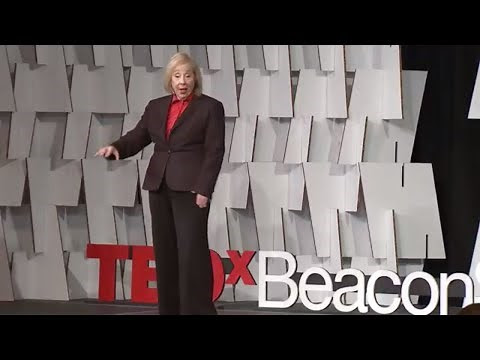
The Only 3 Career Steps that Matter | Rosabeth Moss Kanter | TEDxBeaconStreet
Whether entrepreneur or employee, scientist or journalist, young graduate or top leader, there are just three big career transitions that matter: inclusion, influence, and impact. Opportunities and barriers at each stage can be different for women or minorities, but knowing the challenges can help overcome them – and create change for self and …
Answer the following questions:
- What are your general reactions and views concerning Dr. Kantor’s ideas?
- Assuming you agree with Dr. Kantor’s ideas, what are the implications for staffing?
- How can organizations develop its internal talent along each of Dr. Kantor’s 3 steps? Specifically, what must an organization do to ensure employees develop the skills, experience, and performance record for inclusion, influence, and impact? How can we ensure employees are adequately prepared – across all 3 factors – for future organizational opportunities?

0 comments